La Crosse
3143 State Road Suite 100, La Crosse, WI 54601


Why choose us
An inlay repairs only the damaged area inside the tooth's cusps, so more of your natural tooth stays in place.
Each inlay is shaped to fit your tooth, and our on-site dental lab helps us keep that work close to home in the Coulee Region.
Inlays restore chewing surfaces on back teeth when a cavity or older filling needs more than a simple fix.
We match the restoration to your smile so it blends in with the teeth around it.
With The Ascent Experience, you can settle in with a warm towelette, blanket, support pillow, headphones and essential oils during your visit.
You bite into a sandwich and feel a sharp twinge in a back molar. At your next visit, we find a cavity tucked between two teeth, or an older filling that has started to break down. The damage is too large for a simple filling to handle well, but most of the tooth is still strong. For many patients across Wisconsin's Coulee Region, this is where an inlay fits. At Rivertown Dental, we place inlays at our offices in La Crosse, Holmen, Arcadia and Viroqua.
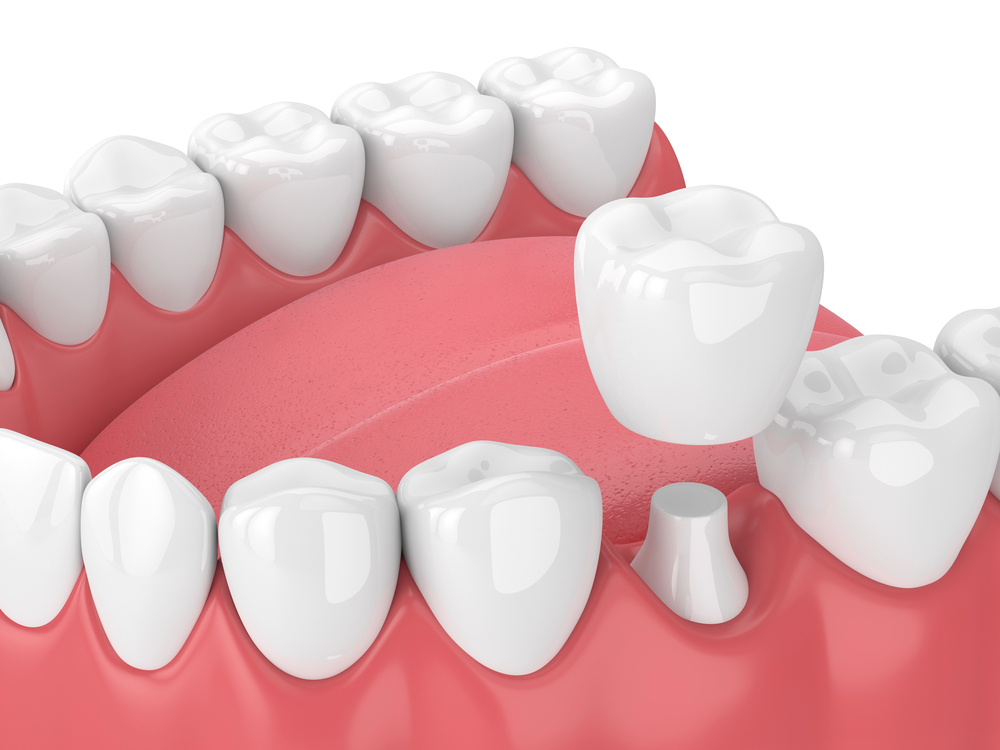
An inlay is a custom-made restoration that fits inside the grooves and center of a tooth's chewing surface. It sits within the cusps, the raised points on top of a back tooth, rather than covering them. We remove the decayed or damaged portion, shape the space, and then create a piece that matches that exact shape and bond it into place.
Inlays sit in the middle ground of restorative dentistry. A filling is built up directly in the tooth, while a crown covers the whole visible tooth. An inlay restores only what is missing and leaves healthy structure alone. When the damage extends over one or more cusps, an onlay may be the better choice, and we offer both. Because we have an on-site dental lab, we can keep much of the work for your restoration close to home.
Inlays tend to help adults and older patients who have moderate decay or wear on molars and premolars. Common situations include:
Not every tooth is a good candidate. If decay has reached the nerve, the tooth may need root canal therapy first. If the walls of the tooth are weak or cracked, a crown may protect it better. If the cusps themselves are damaged, an onlay is often the right step. We make that call after a dental exam and X-rays, and we explain what we see and why we recommend one option over another.
The deciding factor is how much healthy tooth you have left. If the outer walls and cusps are sound, an inlay can restore the tooth while keeping more of your natural structure. If the tooth is weakened throughout, a crown gives fuller coverage and protection.
We walk you through this during your visit. You will hear plainly what the damage looks like, what each option involves, and how it fits your goals. There is no judgment about how long it has been since your last checkup. Our job is to help you understand your options and choose with confidence.
You care for an inlay the same way you care for your natural teeth: brush twice a day, floss daily and keep up with regular cleanings and exams. Floss carefully along the edges of the restoration, where plaque can build up.
How long an inlay serves you depends on your habits, your bite and your overall oral health. If you grind or clench at night, we may talk with you about a night mouth guard to reduce stress on your teeth and restorations. At routine visits, our hygienists and dentists check the inlay along with the rest of your mouth, so small concerns can be caught early. If something ever feels loose, sharp or uncomfortable, call your nearest office so we can take a look.
We work with many dental insurance plans, and we recommend calling your office to confirm your coverage before treatment. We also welcome self-pay patients and are happy to review costs with you ahead of time so there are no surprises.
For patients without insurance, our Rivertown Membership Plans, also called the VIP Program, include Classic, Deluxe and Kids plans. Each includes cleanings, exams, X-rays and fluoride, plus a discount on treatment. Membership plans cannot be combined with insurance. We also offer third-party financing through Cherry, CareCredit and Proceed Finance. Approval depends on each lender's qualification process, and our team can help you understand the options.
Visits are built around comfort as well as care. We call it The Ascent Experience: advanced care, genuine comfort, and a better experience from start to finish. That includes small touches like warm towelettes, blankets, support pillows, headphones and essential oils, along with clear explanations at every step. For patients who feel anxious, we can discuss sedation options, including nitrous oxide and IV sedation for adults.
We are locally owned and dentist-led, and families see the same doctors for cleanings, restorations and more. We have more than 1,600 Google reviews across our four offices as of November 2026: La Crosse with 674 reviews at 4.9 stars, Holmen with 546 at 4.8, Arcadia with 245 at 4.9, and Viroqua with 231 at 4.8.
If a tooth has been bothering you or an old filling is wearing out, call the Rivertown Dental office closest to you in La Crosse, Holmen, Arcadia or Viroqua to schedule an exam. We will take a careful look and help you decide whether an inlay is the right fit. Dentistry, Done Differently.
The process
We examine the tooth with digital X-rays, explain your options clearly and help you decide whether an inlay, onlay, filling or crown fits best.
We remove the damaged area, prepare the tooth and place your custom inlay so it fits your bite comfortably.
Regular cleanings and exams at any of our La Crosse, Holmen, Arcadia or Viroqua offices help us keep an eye on your inlay over time.
Questions
Coverage and cost depend on your plan and on the tooth being treated, so we review both with you before any work begins. Our La Crosse, Holmen, Arcadia and Viroqua offices work with many dental insurance plans, and we encourage you to call your office to confirm your benefits. If you do not have insurance, our Rivertown Membership Plans (the VIP Program) include a discount on treatment, and we also offer third-party financing through Cherry, CareCredit and Proceed Finance for patients who qualify.
We numb the area before we begin, so most patients feel pressure rather than pain while we work. Our Ascent Experience comfort touches, like a warm towelette, a blanket, a support pillow, headphones and essential oils, help the visit feel more relaxed. If you feel nervous about dental care, let us know, and we will talk through your comfort options with you without any judgment.
The timeline depends on your tooth and the material we use, and we will walk you through each step at your exam. Having an on-site dental lab helps us keep your care close to home in the Coulee Region. We will give you a clear plan before treatment so you know what to expect.
How long an inlay lasts depends on your daily brushing and flossing, your bite and habits like grinding, and how consistently you keep up with checkups. We cannot promise a specific number of years, but regular cleanings and exams let us keep an eye on your inlay and the tooth around it. If you grind your teeth at night, we can talk with you about whether a night mouth guard makes sense.
An inlay is often a good fit when a back tooth has damage or decay that is too large for a simple filling but does not yet need a full crown. After an exam, our dentists will explain whether a filling, an inlay, an onlay or a crown best suits your tooth. We offer all four at our Wisconsin offices, so you can compare your options in one place.