La Crosse
3143 State Road Suite 100, La Crosse, WI 54601

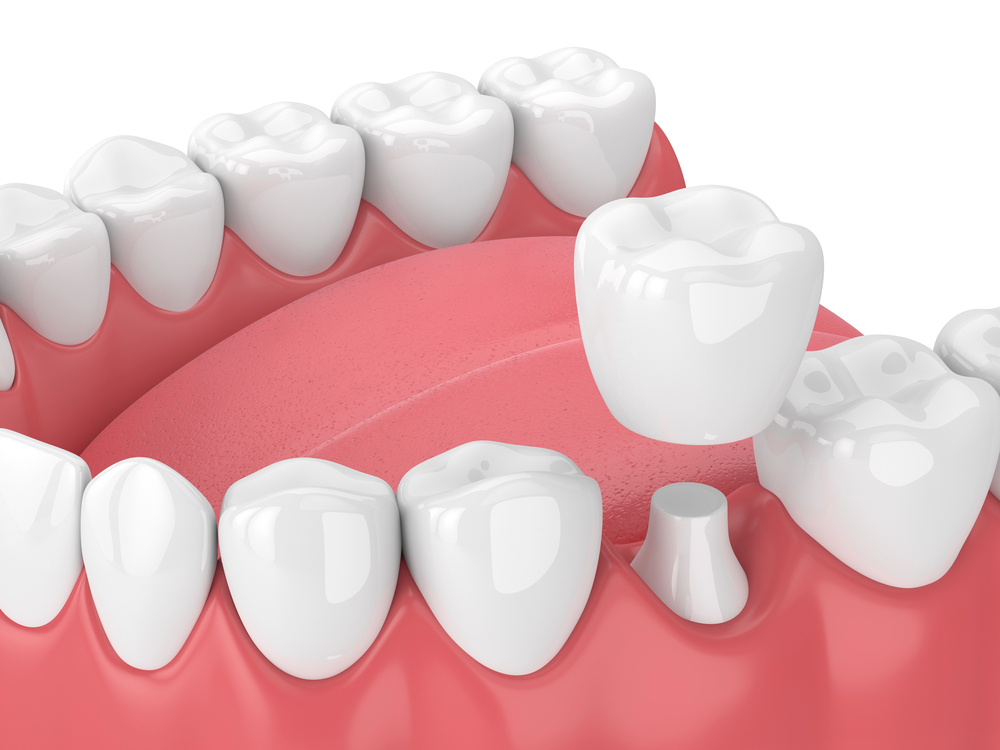
If you have a tooth that cracked on a popcorn kernel, an old filling that keeps breaking down, or a molar that just finished root canal therapy, a dental crown is often how we protect what is left and return the tooth to full use. At our Rivertown Dental offices in La Crosse, Holmen, Arcadia and Viroqua, our dentists place crowns for patients across Wisconsin's Coulee Region. In many cases, we can complete a CEREC crown in a single visit.
A dental crown is a custom cap that covers the entire visible part of a tooth above the gumline. A filling replaces only a small portion of a tooth. A crown surrounds the whole tooth and holds it together, so it can handle the pressure of chewing again. We shape each crown to match the size, contour and color of your natural teeth so it fits comfortably into your bite and blends into your smile.
Crowns are part of our restorative dentistry care, and they help a wide range of patients. Adults with worn or weakened teeth, patients finishing root canal treatment on a molar, and people replacing missing teeth with dental implants or bridges may all rely on crowns. Our offices include an on-site dental lab and offer same-day CEREC crowns, so we can handle much of this work close to home.
Most patients come to us for a crown for one of a few reasons, and your reason shapes how we plan your care.
Each situation calls for a slightly different approach. A cracked tooth may need a crown fairly soon to keep the crack from spreading. A tooth with an aging filling can often be scheduled around your calendar. If appearance is your main concern, we may also talk with you about porcelain veneers, inlays or onlays. That way you understand the full picture before you decide.
You may be a good candidate if a tooth is damaged or weakened but still has a healthy root and supporting gums. We start with a dental exam and digital X-rays to see what is happening below the surface. These show us whether there is decay, infection or gum disease that should be treated first.
Sometimes a crown is not the first step. A tooth with an infected nerve may need root canal therapy. Gums affected by gum disease may need scaling and root planing before we restore the tooth. If a tooth cannot be saved, we can discuss extraction and replacement options such as implants or bridges. We explain every option clearly, with no judgment about how long it has been since your last visit.
If a broken tooth is hurting right now, please don't wait. If you have a dental emergency, call the office closest to you for the earliest opening. We work to see emergencies the same day when our schedule allows, and we will do everything we can to accommodate same-day, next-day or walk-in care at any of our four offices.
You care for a crown much like a natural tooth. Brush twice a day, clean between your teeth daily, and keep up with regular cleanings and exams. The crown itself does not decay, but the tooth underneath it and the gumline around it still can, so daily home care matters.
At your routine visits, our hygienists and dentists check the edges of your crown, your bite and the health of the surrounding gums. If you clench or grind at night, ask us about a night mouth guard, which can help protect both crowns and natural teeth. Your restoration will also hold up better over time if you avoid habits like chewing ice or opening packages with your teeth.
We also want the visit itself to feel good. We call our approach The Ascent Experience: advanced care, genuine comfort, and a better experience from start to finish. That includes a warm towelette, a blanket, a support pillow, headphones and essential oils, along with clear explanations at every step.
You can pay with dental insurance, as a self-pay patient, through one of our membership plans, or with third-party financing. We work with many dental insurance plans, so please call your office to confirm how your plan covers crowns. We are happy to walk you through costs before treatment begins.
For patients without insurance, our Rivertown Membership Plans, also called the VIP Program, come in Classic, Deluxe and Kids options. Each includes cleanings, exams, X-rays and fluoride, plus a discount on treatment. These plans cannot be combined with insurance. We also offer third-party financing through Cherry, CareCredit and Proceed Finance, subject to qualification and approval by the lender.
If a tooth has been bothering you, or you have been putting off a crown your dentist recommended, we would be glad to help. Call the Rivertown Dental office nearest you in La Crosse, Holmen, Arcadia or Viroqua to schedule a visit with our team. Dentistry, Done Differently.
Questions
The cost of a crown depends on the tooth and the type of restoration it needs, so we go over your options and estimate with you before any work begins. We work with many dental insurance plans, so please call your Rivertown Dental office in La Crosse, Holmen, Arcadia or Viroqua to confirm your coverage. If you don't have insurance, our Rivertown Membership Plans (the VIP Program) include a discount on treatment, and third-party financing through Cherry, CareCredit and Proceed Finance is available to patients who qualify.
Most patients feel pressure rather than pain, because we numb the tooth and the area around it before we begin. If you feel nervous, we offer nitrous oxide, and IV sedation is available for adults. The Ascent Experience comforts, like a warm towelette, a blanket, a support pillow, headphones and essential oils, help the visit feel more relaxed. Some tenderness in the gums or the tooth afterward is common for a few days.
Many of our patients can get a crown in a single visit, because we make same-day CEREC crowns right here in the office. We also have an on-site dental lab, which helps keep your care close to home in the Coulee Region. If your tooth needs a different approach, we will explain the timeline and the number of visits before we start.
How long a crown lasts depends on your bite, your habits and how well you care for it, so we can't promise a set number of years. Brushing, flossing and regular cleanings and exams with our team help protect both the crown and the tooth underneath. If you grind or clench, ask us about a night mouth guard to help protect your teeth while you sleep.
A crown is often recommended when a tooth is cracked, badly worn, heavily filled or weakened after root canal therapy, but it isn't always the only choice. Depending on the tooth, a filling, inlay or onlay may be enough, and if a tooth can't be saved, we can talk with you about a bridge or a dental implant. During your exam we will explain what we see and walk you through the options that fit your situation, with no judgment about how long it has been since your last visit.