La Crosse
3143 State Road Suite 100, La Crosse, WI 54601

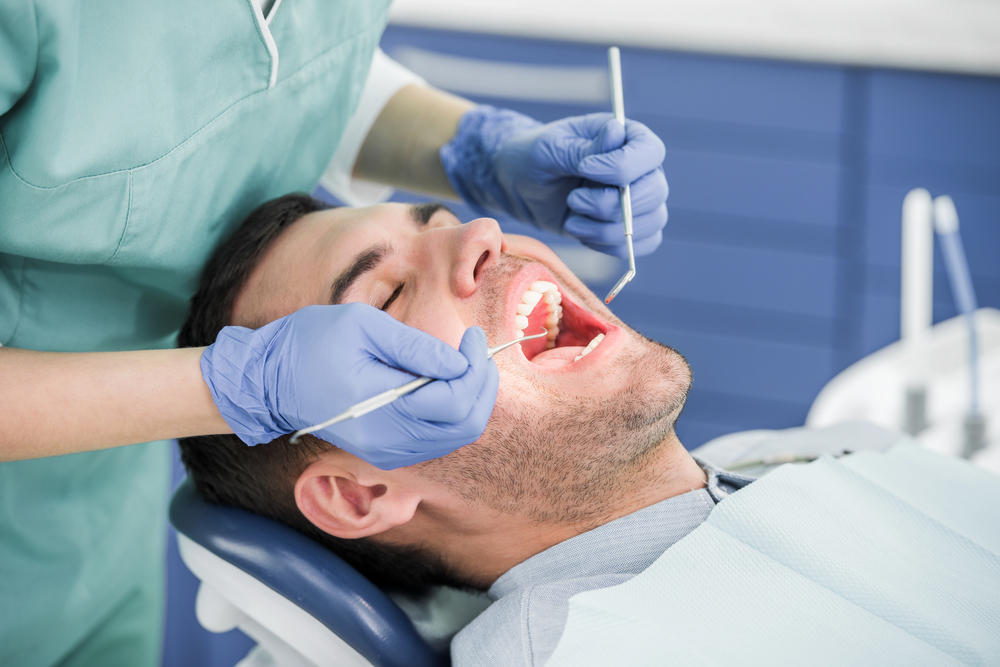

Why choose us
Our general dentists in La Crosse, Holmen, Arcadia and Viroqua look at jaw pain, clicking and tension without sending you out of the Coulee Region.
We take time to explain what may be behind your jaw discomfort in plain language, with no judgment.
When grinding or clenching plays a role, we can fit a custom night mouth guard to help cushion your teeth and jaw.
The same doctors who handle your cleanings and exams can coordinate TMJ care with the rest of your dental needs.
Through The Ascent Experience, you can ask for a warm towelette, blanket, support pillow, headphones or essential oils during your appointment.
You wake up with a dull ache near your ears, your jaw clicks when you bite into a sandwich, and by mid-afternoon a tension headache has settled in at your temples. Many people across the Coulee Region live with this pattern for months before mentioning it to anyone. At Rivertown Dental, with offices in La Crosse, Holmen, Arcadia and Viroqua, we offer Temporomandibular Joint (TMJ/TMD) Therapy as part of the everyday care our general dentists provide. You can talk with us about jaw discomfort during the same visits you already make for cleanings and exams.
The temporomandibular joint is the hinge that connects your lower jaw to your skull, just in front of each ear. You use it every time you talk, chew, yawn or swallow. TMD, short for temporomandibular disorder, is the term for problems involving that joint and the muscles that move it. People often say "TMJ" to mean both the joint and the problem, and we understand either term.
TMJ/TMD therapy helps adults and teens whose jaw feels sore, tired or stiff. It also helps people whose jaw pops or clicks, or who notice signs of grinding and clenching such as flattened or worn teeth. Some patients come to us because a spouse hears grinding at night. Others have no idea they clench until one of our hygienists points out the wear during a routine cleaning. Because we see families of all ages, from children starting at age 2 through retirees, we often notice these changes early and can talk them through before they become a bigger concern.
Being a good candidate starts with a conversation and a careful look. During a dental exam we ask where you feel discomfort, when it tends to show up, and what makes it better or worse. We check how your teeth come together and look for wear patterns. Digital X-rays help us see what is happening below the surface of the teeth.
Candidates should know that jaw discomfort can have more than one cause, so we explain what we see in plain terms and talk through options that fit your situation. One of those options is a night mouth guard. It is a custom appliance worn while you sleep to cushion your teeth and reduce the effects of grinding and clenching. When your situation calls for care beyond what we provide, we tell you so honestly and help you find the right next step.
A night guard is made from impressions of your own teeth so that it fits your bite rather than a generic shape. Several of our offices have an on-site dental lab. That lets our team stay closely involved in how your appliance is made and fitted.
When your guard is ready, we check the fit with you in the chair and show you how to put it in and take it out. Most people find it takes a few nights to get used to. Common questions at this stage include:
Adjustment is gradual, and results differ from person to person. Some patients notice their mornings feel different fairly soon. Others need more time, along with follow-up visits, to see how things are going. We will not promise a specific outcome, because jaw discomfort is personal and often has several contributing factors.
Aftercare is straightforward. Wear your appliance as directed, keep it clean, and let us know if anything changes in how your jaw feels or how your teeth fit together. Your regular cleanings and exams give us a natural time to check in, look for new wear, and make adjustments when needed. Throughout, we follow the Ascent Experience: advanced care, genuine comfort, and a better experience from start to finish. That shows up in small comforts like warm towelettes, blankets and headphones, and in clear answers with no judgment about how long you have waited to bring it up.
We work with many dental insurance plans. Coverage for TMJ/TMD therapy and night guards varies from plan to plan. The simplest step is to call the office you plan to visit, and our team can help you confirm your benefits before treatment begins.
If you do not have insurance, our Rivertown Membership Plans, also called the VIP Program, are another option. The Classic, Deluxe and Kids plans include cleanings, exams, X-rays and fluoride, plus a discount on treatment. Membership plans cannot be combined with insurance. We also welcome self-pay patients. Third-party financing is available through Cherry, CareCredit and Proceed Finance for those who qualify. Approval depends on each lender's review, and our team can walk you through how to apply.
If clicking, soreness or morning headaches have become part of your routine, we would be glad to take a closer look. Call the Rivertown Dental office closest to you in La Crosse, Holmen, Arcadia or Viroqua to schedule a visit. Bring your questions, and we will listen, explain what we find, and help you decide on a plan that makes sense for you. Dentistry, Done Differently.
The process
We listen to your symptoms and examine your jaw, bite and teeth to understand what you're feeling.
We walk you through your options, which may include a custom night guard, and begin the care that fits you.
We check how your jaw is responding at future visits and adjust your care as needed.
Questions
Coverage for TMJ therapy depends on your individual plan, so the best first step is to call our La Crosse, Holmen, Arcadia or Viroqua office to confirm your benefits. We work with many dental insurance plans, and for patients without insurance we offer the Rivertown Membership Plans, also called the VIP Program. Third-party financing through Cherry, CareCredit and Proceed Finance is also available, subject to approval.
You may be a good candidate if you live with jaw soreness, clicking or popping, tension when you chew, or signs that you clench or grind your teeth. The only way to know for sure is an exam, where one of our general dentists looks at your jaw, bite and teeth and talks with you about what you are feeling. We see patients across the Coulee Region at all four of our offices.
Our goal is to keep you as comfortable as possible, and we take the time to explain each step before we begin. Through the Ascent Experience, patients can enjoy small comforts like a warm towelette, a blanket, a support pillow, headphones and essential oils during their visit. If anything feels uncomfortable, just let us know and we will pause and adjust.
The timeline is different for every patient and depends on what is causing your jaw symptoms and the approach that fits you best. We cannot promise a specific outcome, but we will walk you through what to expect and check in with you at follow-up visits. Regular exams help us watch for changes and adjust your care over time.
A custom night mouth guard is one option we offer for patients who clench or grind while they sleep. During your visit, our dentist will review your symptoms and explain which options make sense for you, with no judgment about how long it has been since your last checkup. You will leave with a clear plan and time to ask any questions you have.